
Digital Banks: A Revolution in the Financial World
Conclusion:
Digital Banking Revolution: Transforming Financial Services
Digital Banks: A Revolution in the Financial World
Digital Banking: In the last few years, we have experienced a seismic change shaking the foundations of the Banking Industry. Often called the "Digital Banking Revolution," this transformation has radically altered how people and companies interact with financial services. With the emergence of digital banking, the platform has evolved beyond mobile apps and online, covering artificial intelligence and blockchain. This article discusses the main drivers, advantages, challenges, and outlook for this transformative trend.
What is Digital Banking?

Digital banking refers to the digitization of all traditional banking activities, allowing customers to access financial services via online and mobile platforms. Such services can include opening an account, transferring money, managing investments or applying for loans. While traditional banking structures are heavily reliant on physical branches, digital banking takes place at a virtual level, offering customers 24/7 access and customized experiences.
India’s digital banking revolution: The key drivers
There are a number of drivers for the growth in digital banking:
Technological Advancements: The rapid advancement of mobile technology, cloud computing, artificial intelligence (AI), and big data analytics has made digital banking not just possible, but also very efficient.
Customer Expectations – Modern consumers expect convenience and seamless experiences in the digital realm. Digital banking delivers on these expectations by providing instant, easy-to-use services.
Rise of Fintech: Fintech startups have disrupted conventional banks with more agile and customer-centric services.
COVID-19 Pandemic: The pandemic fueled the growth of digital banking, as banks had to adapt to lockdowns and social distancing measures.
Regulatory Support: Governments and regulators have facilitated a conducive environment for digital transformation through frameworks that balance innovation with security considerations.
Benefits of Digital Banking
Convenience and Accessibility
Customers don't even need to go to a physical branch as digital banking enables users to access banking services anytime and anywhere. This is particularly important for remote or underserved areas.
Cost Efficiency
Digital platforms help banks save on operational costs, as processes become automated and physical infrastructure becomes less necessary.
Enhanced Customer Experience
Banks can use personalization, driven by AI and machine learning, to customize financial products and services to meet specific customer needs, enhancing customer satisfaction.
Faster Transactions
In digital banking, payments are made instantly. It becomes easier for users to transfer money, pay bills, or manage accounts.
Financial Inclusion
Meanwhile, digital banking has extended financial services to attract previously unbanked populations, and helped to equip hundreds of millions all over the planet with the tools needed to save, borrow, and invest.
Challenges and Risks
The digital banking revolution has several challenges despite its potential benefits:
Cybersecurity Threats
As financial services have moved online, they’ve become enticing targets for cybercriminals. Not only do they need to focus on compliance, but they also have to spend a bundle protecting confidential customer information in highly secure infrastructure.
Digital Divide
Not everyone enjoys equal access to digital infrastructure. In some locations, connectivity and poor digital literacy continues to be a barrier.
Regulatory Complexity
For banks, navigating global and local regulations can be somewhat complex, especially when entering new markets.
Competition from Fintech
Traditional banks have increasingly struggled to keep pace with nimble fintech firms that are often quicker to innovate and adapt.
Customer Trust
It is critical to build and maintain trust. It can impact reputation and lead to loss of customers in case of any breach for failure of security.
The New Trends of Digital Banking
Artificial Intelligence (AI)
AI is revolutionizing customer service with chatbots, predictive analytics, and fraud detection.
BLOCKCHAIN AND CRYPTOCURRENCIES

Enhanced transparency and security through blockchain technology and the disruption of payment systems by cryptocurrencies.
Open Banking
These open banking initiatives would allow third party developers to build applications and services around the financial institution, improving their overall customer experience.
Biometric Authentication
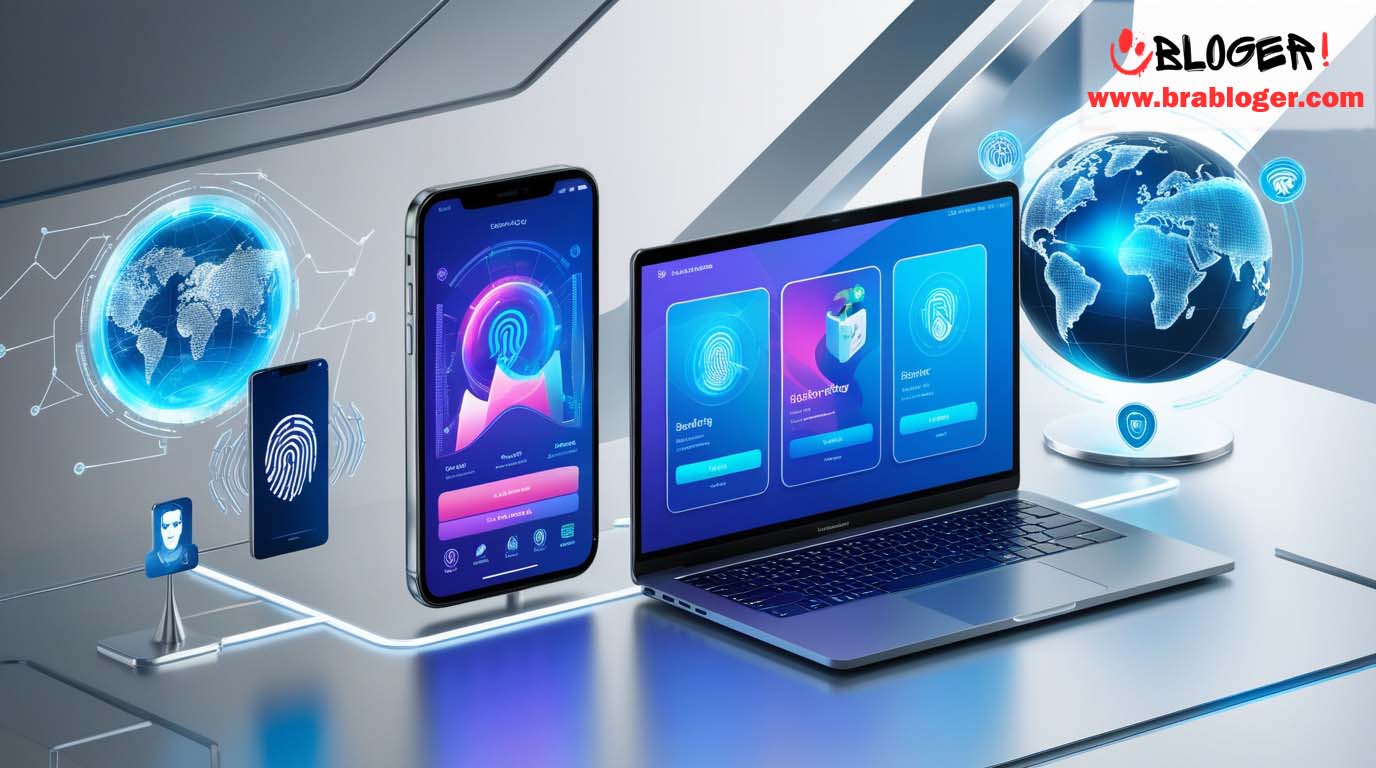
Biometric tools such as fingerprint scans and facial recognition are enhancing security and making login processes easier.
Sustainable Banking
That digital banks are increasingly adopting eco-friendly practices, from being paperless to offering investment options in green industries.
The Future of Digital Banking
With the continuous advances in technology, the digital banking ecosystem will only grow more vibrant. Emerging technologies such as quantum computing, 5G, and the Internet of Things (IoT) will continue to reshape financial services. Moreover, we can expect more partnerships between traditional banks and fintech companies, bringing together the trust and resources of established institutions with the innovation and agility of startups.
Digital banking is more than a trend, it’s the new standard. Banking is no exception, and traditional models are no longer sufficient to meet current customer demands: they must be included in the current digitalization process, and banks that resist this change will become obsolete.
We are fully ushered into the Digital Banking Revolution — a new era of financial services, built on speed, convenience, and innovation. Despite challenges and risks all around digital banking has proved to be a game changer and has become a necessity of the modern economy. As the industry continues to evolve, one thing is for sure — digital banking is here to stay, crafting a future where financial services have never been more accessible, efficient, and inclusive.




 Digital Marketing and Online Business
 Education and Learning
 Gaming
 Blockchain and Cryptocurrency
 Climate and Environmental
 Finance and Investing
 Health and Wellness
 Technology and Artificial Intelligence
 Food and Cooking
 Fashion and Beauty
 Sports and Fitness
 Personal Development and Self-Improvement
 Parenting and Family Life
 Pet Care and Animal Welfare
 Bilar och motorcyklar