
Overcoming Global Supply Chain Challenges: Strategies for Success
Conclusion:
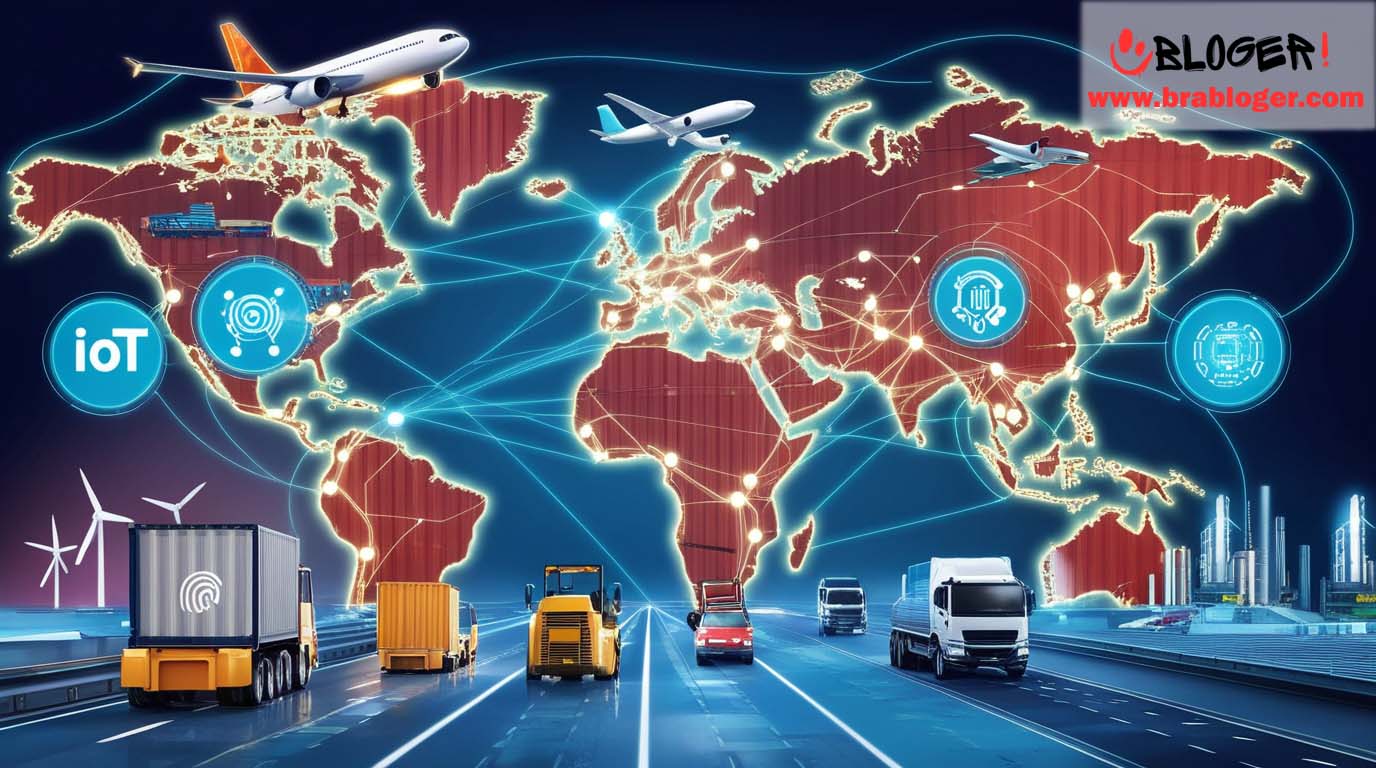
Global Supply Chain: Challenges & Strategies
Overcoming Global Supply Chain Challenges: Strategies for Success
Due to innovations in tech, geobasics, and evolving consumer needs, the world supply chain has turned into a dense net of interdependencies. Understanding how global supply chains work has never been more important as companies race to ship products in an efficient and cost-effective manner. This article explores what drives, challenges and defines global supply chains in an interconnected economy today.
The Backbone of Global Trade
A supply chain describes the journey of a product from the raw materials all the way to the end consumer. Supply chains at a global scale connect various regions, industries, and stakeholders. The globalization of trade has allowed companies to obtain raw materials on one continent and to manufacture them in another, while distributing finished goods across the globe. This interdependence has accelerated economic growth, expanded consumer choice, and lowered costs, but it has also created tremendous complexity.
THE BIG SHIFT: 5 KEY DYNAMICS ON SUPPLY CHAINS WORLDWIDE

Digital Transformation and Technology
Ivrea Mattias– November 11, 2023 Emerging technologies like AI, IoT, and blockchain are changing supply chains. Enhanced visibility and efficiency have been made possible with the use of real-time tracking, predictive analytics, and smart contracts.
Production is being optimized through automation and robotics, with human error minimized, and productivity increased.
Geopolitical Factors
Trade wars, tariffs, and sanctions can disrupt supply chains and increase costs and delays. U.S.-China trade tensions, for example, have forced companies to rethink sourcing strategies.
One of the most important trade policies that affect supply chains are regional trade agreements, most notably the environment created by the EU or the US-Mexico-Canada Agreement (USMCA).
Environmental Issues And Sustainability
Sustainable practices of companies are being demanded by consumers and governments alike. Business are moving towards circular supply chains, lowering waste and green logistics to reduce their carbon footprint.
There are regulatory compliance demands, like carbon taxes and environmental certifications, that drive supply chain choices.
{{}} {{}} ## Risk Management and Resilience {{}} {{}}
The COVID-19 pandemic exposed weaknesses in global supply chains, from factory hours to shipping time. Now, businesses are putting more emphasis on resilience through supplier diversification and nearshoring production.
Natural disasters, cyberattacks, and political instability continue to pose ongoing risks needing strong contingency planning.
Consumer Expectations
The shift towards e-commerce has reconfigured supply chains to focus on speed and flexibility. Same-day delivery and customized products require very responsive logistics networks.
The importance of transparency and ethical sourcing has risen to prominence, as consumers demand to know the provenance of their purchases.
Global Supply Chain Challenges
Complexity and Fragmentation
Coordinating across diverse countries, languages and regulatory frameworks complicates matters further. Such miscommunication — or compliance failure — can result in costly, disruptive glitches.
Labor Shortages
Challenges include aging workforces, skills gaps, and labor disputes — issues that are especially pronounced in industries that depend on manual labor.
Infrastructure Limitations
Underdeveloped transportation networks, congested ports, and outmoded technology in some localities complicate the smooth passage of goods.
Data Security
As supply chains become more and more connected and complex for bargaining, the risk of cyber threats also increases, dovetailing with the pressing need for a new level of cybersecurity in the future.
Navigating the Global Supply Chain: Strategies for Success

The Evolution of Advanced Technologies
AI-driven demand forecasting, IoT-enabled asset tracking, and blockchain-based transaction verification can improve the efficiency and reliability of supply chains.
Building Resilience
Reducing reliance on single sources through diversifying suppliers, investing in local production and strategic stockpiles can improve resilience against such shocks.
Fostering Collaboration
Building strong relationships with suppliers, logistics partners and governments can create smoother operations and faster responses to disruptions.
Prioritizing Sustainability
Implementing sustainable practices within supply chain strategies not only addresses regulatory mandates but also resonates with environmentally conscious consumers.
Investing in Talent
Upskilling workers and using automation to plug gaps in labour is key to keeping operations running smoothly.
The Road Ahead
Supply chains worldwide are facing new challenges and transformation with the advent of new technological, social and geopolitical realities. Innovation, Resilience, and Sustainability: Businesses that invest in innovation and resilience while committed to sustainable practices would be the best positions to navigate such complexities. High delivery speed is as central to supply chain management as the integration within supply chain partners, and as economies around the world become more interdependent, adapting and thriving in an ever faster-paced supply chain landscape will be crucial for rails to cross.



 Digital Marketing and Online Business
 Education and Learning
 Gaming
 Blockchain and Cryptocurrency
 Climate and Environmental
 Finance and Investing
 Health and Wellness
 Technology and Artificial Intelligence
 Food and Cooking
 Fashion and Beauty
 Sports and Fitness
 Personal Development and Self-Improvement
 Parenting and Family Life
 Pet Care and Animal Welfare
 Bilar och motorcyklar