
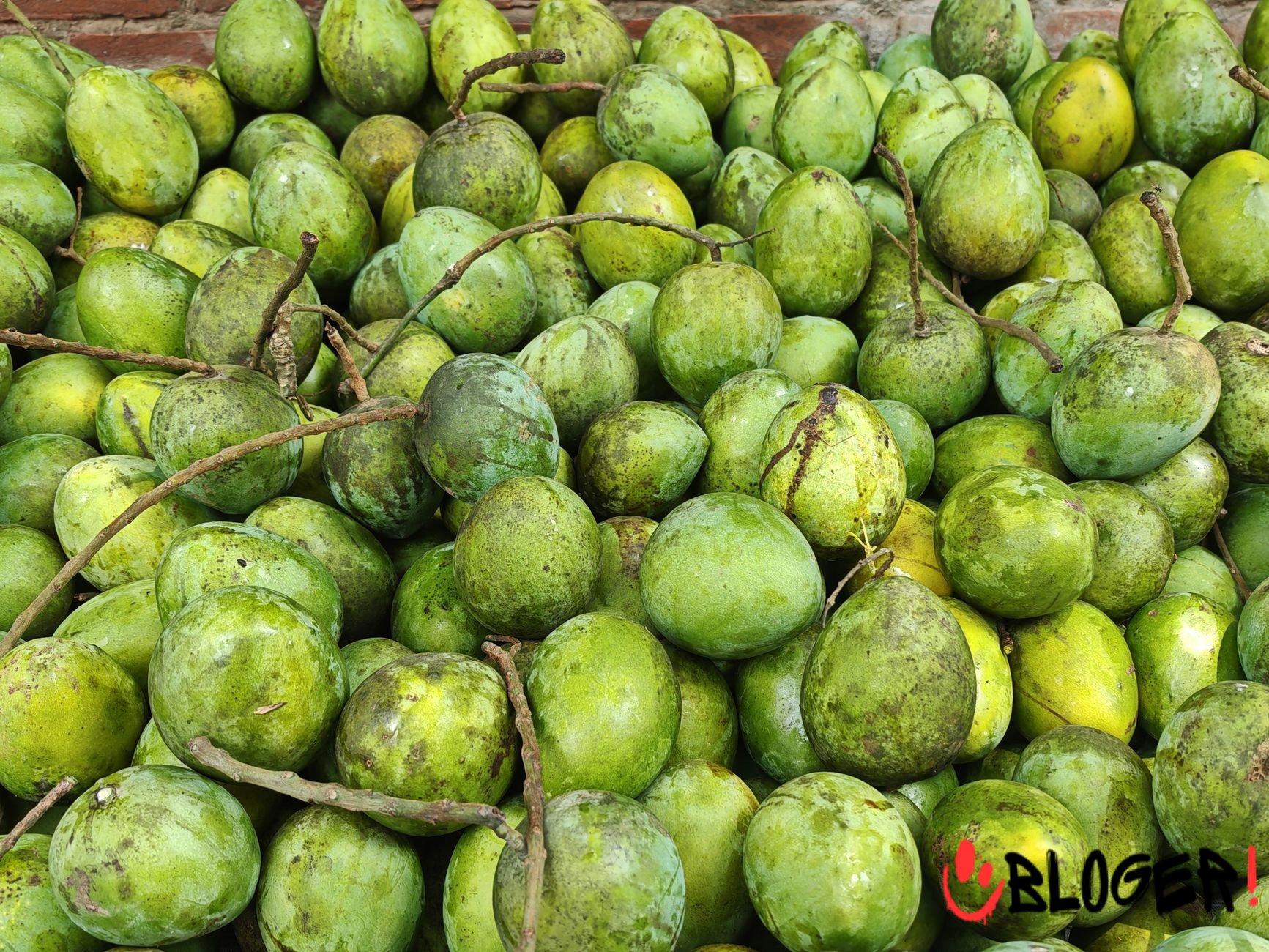
As the summer months approach, many of us eagerly await the arrival of our favorite fruits, and one of the most anticipated is the mango. With its sweet, juicy flesh and vibrant yellow skin, it's no wonder why mangoes are a staple in many cultures around the world. But have you ever stopped to think about what makes the mango season so special? From the ideal climate conditions to the various ways to enjoy this delicious fruit, there's more to the mango season than meets the eye.
A Brief History of Mangoes
Mangoes have been cultivated for over 4,000 years, with their origins dating back to ancient India and Southeast Asia. The fruit was considered a sacred symbol of love, fertility, and prosperity, and was often given as a gift to royalty and nobility. As trade and colonization expanded, mangoes were introduced to new regions, where they quickly became a staple in many local cuisines. Today, mangoes are grown in over 100 countries, with India, China, and Brazil being among the top producers.
Despite their widespread cultivation, mangoes remain a highly seasonal fruit, with the peak season typically occurring between May and October. During this time, the fruit is at its ripest and most flavorful, with a sweet, slightly tangy taste that's both refreshing and invigorating. But what makes the mango season so unique, and how can you make the most of this delicious fruit during its peak season?
The Ideal Climate for Mangoes
Mangoes thrive in warm, humid climates with average temperatures ranging from 64°F to 90°F (18°C to 32°C). The ideal climate for mangoes is characterized by high temperatures, high humidity, and ample rainfall, which allows the fruit to ripen slowly and develop its signature sweetness. Regions with a distinct wet and dry season, such as tropical and subtropical areas, are particularly well-suited for mango cultivation.
In addition to the ideal climate, mangoes also require well-draining soil and full sun to partial shade. The trees are relatively low-maintenance, but they do require regular watering, fertilization, and pruning to promote healthy growth and fruit production. With proper care, mango trees can produce fruit for up to 300 years, making them a long-term investment for farmers and gardeners alike.
The Benefits of Mangoes
Mangoes are not only delicious, but they're also packed with nutrients and antioxidants. The fruit is an excellent source of vitamins A and C, potassium, and fiber, making it a great addition to a healthy diet. Mangoes have also been shown to have anti-inflammatory properties, which can help to reduce the risk of chronic diseases such as heart disease, diabetes, and certain types of cancer.
In addition to their nutritional benefits, mangoes also have a range of practical uses. The fruit can be eaten fresh, used in smoothies and salads, or cooked into a variety of dishes, such as curries, chutneys, and preserves. The leaves and bark of the mango tree can also be used in traditional medicine, while the wood is valued for its durability and resistance to rot.
Enjoying Mangoes During the Peak Season
So, how can you make the most of the mango season? One of the best ways to enjoy mangoes is to eat them fresh, either on their own or paired with other fruits, such as pineapple or kiwi. You can also use mangoes in a variety of recipes, such as salads, smoothies, and desserts. For a refreshing and healthy snack, try combining diced mango with Greek yogurt, honey, and a sprinkle of granola.
In addition to eating mangoes fresh, you can also preserve them for later use. Mango jam, chutney, and preserves are all popular ways to enjoy the fruit year-round, while dried mango slices make a tasty and healthy snack. You can also use mango puree as a base for smoothies, or freeze it for later use in baked goods and desserts.
Related Links
For more information on mangoes and other topics, be sure to check out the following links:
- All Media
- Home
- Blogs
- Inside Brablogger: Features & Technology Overview
- How Brablogger Helps Content Creators Grow
Exploring the Cultural Significance of Mangoes
Mangoes have played a significant role in the cultural and spiritual practices of many societies. In India, the mango is considered a symbol of love and fertility, and is often given as a gift to newlyweds. In Southeast Asia, mangoes are a popular ingredient in traditional cuisine and are often served at special occasions such as weddings and holidays.
In addition to their cultural significance, mangoes have also been used in traditional medicine for centuries. The fruit, leaves, and bark of the mango tree are all used to treat a variety of ailments, including fever, diarrhea, and skin conditions. The wood of the mango tree is also valued for its durability and resistance to rot, making it a popular choice for furniture and construction.
Mango Varieties and Cultivation
There are over 1,000 known varieties of mangoes, each with its own unique characteristics and flavor profile. Some popular varieties include the Alphonso, Ataulfo, and Haden, which are known for their sweet and creamy flavor. Mangoes can be cultivated in a variety of ways, including grafting, budding, and layering.
Mango trees are relatively low-maintenance, but they do require regular watering, fertilization, and pruning to promote healthy growth and fruit production. Mango farmers often use techniques such as irrigation and pest management to ensure a healthy and productive crop. With proper care, mango trees can produce fruit for up to 300 years, making them a long-term investment for farmers and gardeners alike.
Mango Recipes and Ideas
Mangoes are a versatile fruit that can be used in a variety of recipes, from sweet desserts to savory dishes. One popular recipe is mango salsa, which is made by combining diced mango with red onion, jalapeno pepper, cilantro, and lime juice. Mango chutney is another popular condiment that is made by cooking down fresh mango with spices and vinegar.
Mangoes can also be used in smoothies, salads, and desserts. Try combining diced mango with Greek yogurt, honey, and a sprinkle of granola for a healthy and delicious snack. Mango puree can also be used as a base for smoothies, or frozen for later use in baked goods and desserts.
Conclusion
In conclusion, the mango season is a special time of year that offers a wealth of opportunities to enjoy this delicious and nutritious fruit. From its rich cultural significance to its versatility in recipes, mangoes are a true treasure of the tropics. Whether you're a seasoned mango lover or just discovering the fruit for the first time, there's never been a better time to indulge in the sweet and tangy taste of fresh mangoes.


