
When it comes to achieving overall well-being, it's essential to consider the intricate balance between physical, mental, and emotional health. A person's health is not just the absence of disease, but a dynamic state of being that encompasses various aspects of life. The World Health Organization defines health as 'a state of complete physical, mental, and social well-being and not merely the absence of disease or infirmity.' This definition highlights the importance of adopting a holistic approach to health and wellness, one that integrates physical activity, healthy eating habits, stress management, and social connections.
Regular physical activity is a crucial component of a healthy lifestyle. Exercise not only helps maintain a healthy weight and reduces the risk of chronic diseases, such as heart disease and diabetes, but it also improves mental health and cognitive function. Engaging in physical activity stimulates the production of endorphins, also known as 'feel-good' hormones, which can help alleviate symptoms of anxiety and depression. Furthermore, exercise provides an opportunity to socialize and connect with others, whether it's through team sports, group fitness classes, or simply going for a walk with a friend.
Nutrition and Healthy Eating
A well-balanced diet is essential for maintaining optimal health and well-being. Eating a variety of whole, unprocessed foods, such as fruits, vegetables, whole grains, lean proteins, and healthy fats, provides the body with the necessary nutrients, vitamins, and minerals to function properly. A healthy diet can help reduce the risk of chronic diseases, support healthy weight management, and even improve mental health. In addition to the physical benefits, healthy eating habits can also have a positive impact on self-esteem and body image, as a nutritious diet can help individuals feel more energized and confident in their own skin.
Stress management is another critical aspect of overall health and wellness. Chronic stress can have a debilitating impact on both physical and mental health, leading to issues such as anxiety, depression, and a weakened immune system. Engaging in stress-reducing activities, such as meditation, yoga, or deep breathing exercises, can help mitigate the negative effects of stress and promote relaxation and calmness. Additionally, setting realistic goals, prioritizing tasks, and taking regular breaks can help manage stress and improve overall productivity.
Social Connections and Mental Health
Social connections play a vital role in maintaining good mental health and overall well-being. Building and maintaining strong relationships with family, friends, and community can provide a sense of belonging, support, and purpose. Social connections can help individuals cope with stress, anxiety, and other mental health challenges, and can even reduce the risk of depression and anxiety disorders. Furthermore, social interactions can stimulate cognitive function, improve mood, and enhance overall quality of life.
In today's fast-paced, technology-driven world, it's easy to get caught up in the hustle and bustle of daily life and neglect our own health and wellness. However, prioritizing self-care and making healthy lifestyle choices can have a significant impact on overall well-being. By incorporating physical activity, healthy eating habits, stress management, and social connections into daily life, individuals can improve their physical, mental, and emotional health, and cultivate a deeper sense of purpose and fulfillment.
Moreover, it's essential to recognize that health and wellness are not one-size-fits-all. What works for one person may not work for another, and it's crucial to find activities, habits, and practices that resonate with individual needs and preferences. Whether it's practicing yoga, reading a book, or simply taking a relaxing bath, self-care is about making intentional choices that nourish the mind, body, and spirit.
Conclusion and Future Directions
In conclusion, health and wellness are multifaceted and dynamic concepts that encompass various aspects of life. By adopting a holistic approach to health and wellness, individuals can improve their physical, mental, and emotional well-being, and cultivate a deeper sense of purpose and fulfillment. As we move forward, it's essential to prioritize self-care, make healthy lifestyle choices, and recognize the importance of social connections, stress management, and overall wellness.
For more information on health and wellness, please visit our related links below.
Related Links:
Implementing Healthy Habits
By incorporating healthy habits into daily life, individuals can experience a significant improvement in their overall well-being. This can be achieved by setting realistic goals, creating a schedule, and tracking progress. Additionally, seeking support from friends, family, or a healthcare professional can provide motivation and accountability. Remember, small steps can lead to significant changes over time, and it's essential to be patient and compassionate with oneself throughout the journey.
Focusing on progress, rather than perfection, can help individuals stay motivated and encouraged. Celebrating small victories and acknowledging setbacks can also help to build resilience and perseverance. By embracing a growth mindset and being open to new experiences, individuals can continue to learn and grow, ultimately achieving a deeper sense of health and wellness.
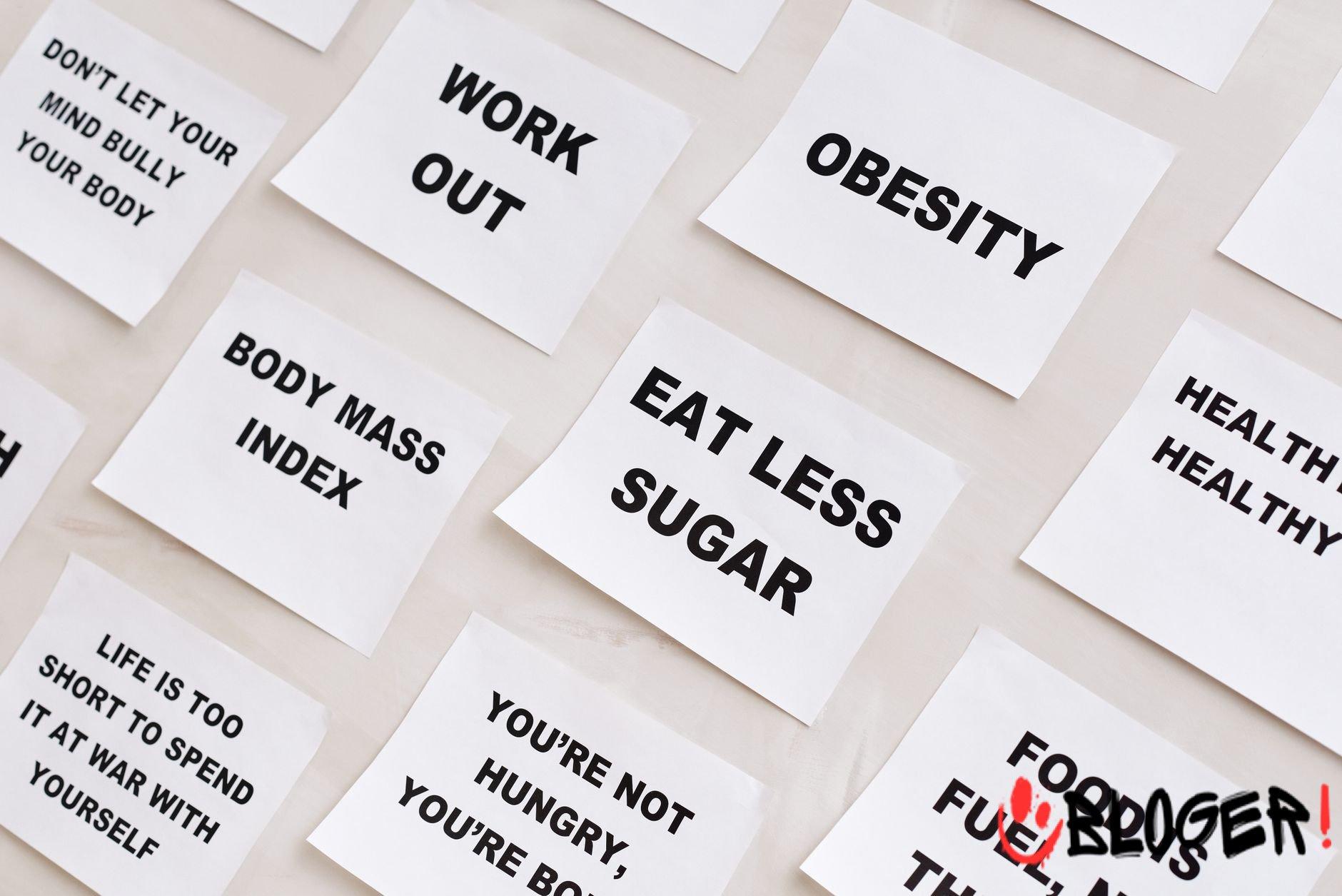
Conclusion:
In conclusion, health and wellness are multifaceted and dynamic concepts that encompass various aspects of life. By adopting a holistic approach to health and wellness, individuals can improve their physical, mental, and emotional well-being, and cultivate a deeper sense of purpose and fulfillment.





 Digital Marketing and Online Business
 Education and Learning
 Gaming
 Blockchain and Cryptocurrency
 Climate and Environmental
 Finance and Investing
 Health and Wellness
 Technology and Artificial Intelligence
 Food and Cooking
 Fashion and Beauty
 Sports and Fitness
 Personal Development and Self-Improvement
 Parenting and Family Life
 Pet Care and Animal Welfare
 Bilar och motorcyklar