
AI Is Becoming the New Digital Workforce
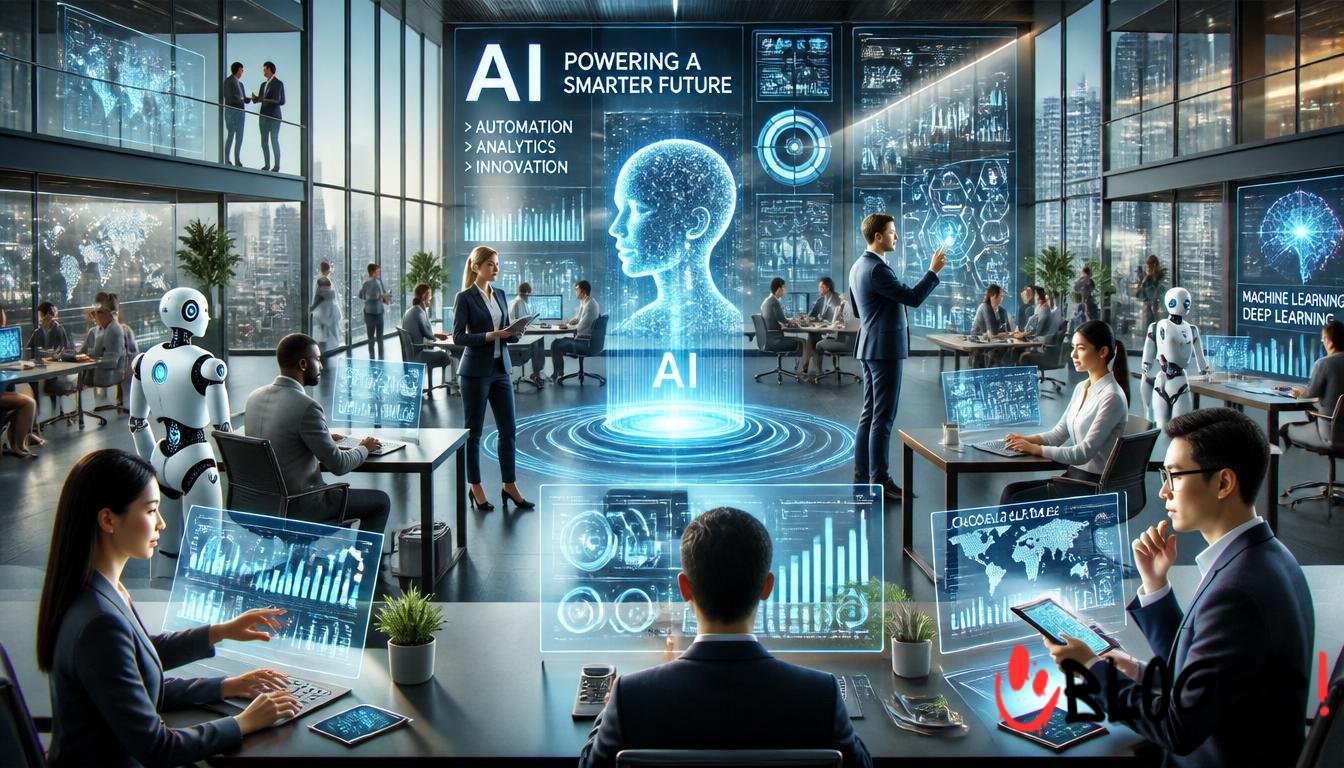
Artificial Intelligence (AI) is no longer just a futuristic concept. In 2026, AI has become one of the most powerful technologies transforming how people work, businesses operate, and industries compete.
From writing emails and creating marketing campaigns to analyzing financial data, developing software, designing graphics, and automating customer service, AI tools are becoming essential digital assistants for professionals worldwide.
Companies are no longer asking:
"Should we use AI?"
Instead, they are asking:
"How quickly can we integrate AI into our daily operations?"
According to global technology trends, organizations that successfully adopt AI are gaining advantages through improved productivity, reduced operational costs, and faster decision-making.
For bloggers, entrepreneurs, developers, marketers, and business leaders, understanding the best AI tools in 2026 can create significant competitive advantages.
Why AI Tools Matter More Than Ever in 2026
The workplace is experiencing a major transformation.
Traditional work required:
Manual research
Repetitive tasks
Long content creation processes
Time-consuming analysis
Human-only decision-making
Modern AI-powered workflows enable:
Automated research
Faster content production
Smart business decisions
Personalized customer experiences
Improved creativity
Increased productivity
AI is not simply replacing tools; it is becoming an intelligent layer connecting people, information, and business processes.
Top 15 AI Tools Transforming Work in 2026
1. ChatGPT – The AI Productivity Assistant
OpenAI's ChatGPT remains one of the most widely used AI assistants globally.
Professionals use ChatGPT for:
Writing and editing content
Business planning
Market research
Coding assistance
Learning new skills
Customer communication
Businesses are integrating AI assistants into daily workflows to reduce repetitive work and improve efficiency.
Best For:
✅ Entrepreneurs
✅ Writers
✅ Developers
✅ Students
✅ Marketing professionals
2. Google Gemini – AI Connected With Google Ecosystem
Google Gemini is designed to work across Google's ecosystem, helping users analyze information, generate content, and improve productivity.
Key capabilities include:
Document analysis
Research assistance
Coding support
Data understanding
Workspace integration
For companies already using Google Workspace, Gemini provides an AI-powered productivity layer.
3. Microsoft Copilot – AI for Workplace Productivity
Microsoft Copilot brings AI directly into workplace applications.
It helps professionals with:
Creating presentations
Summarizing meetings
Writing reports
Analyzing spreadsheets
Managing business information
For enterprises, AI assistants integrated into existing software are becoming a major productivity driver.
4. Claude – Advanced AI Writing and Analysis
Anthropic Claude is recognized for handling large documents and complex reasoning tasks.
Popular uses:
Research analysis
Long-form writing
Document summaries
Business reports
It is especially useful for professionals working with large amounts of information.
5. Midjourney – AI Image Creation Platform
Visual content has become essential for digital marketing, social media, and online businesses.
Midjourney helps creators generate:
Marketing images
Brand visuals
Creative concepts
Social media graphics
For bloggers and businesses, AI-generated visuals can reduce design costs and speed up content production.
6. Canva AI – AI-Powered Design for Everyone
Canva has transformed graphic design by making professional visuals accessible.
AI features help users create:
Social media posts
Presentations
Advertisements
Blog graphics
Brand materials
Small businesses can now create professional marketing materials without hiring expensive design teams.
7. GitHub Copilot – AI Programming Assistant
GitHub Copilot assists developers by generating and improving code.
Developers use it for:
Code suggestions
Debugging
Documentation
Learning programming languages
AI-assisted development is becoming a standard workflow in software engineering.
8. Perplexity AI – AI Search and Research Assistant
Traditional search engines provide links.
AI search tools provide direct answers.
Perplexity helps users:
Research topics
Find information quickly
Summarize sources
Explore complex subjects
Researchers, journalists, and students are increasingly using AI-powered search tools.
9. Jasper AI – AI Marketing Content Creation
Marketing teams use Jasper for:
Blog content
Advertising copy
Email campaigns
Brand messaging
Businesses are adopting AI marketing assistants to create personalized campaigns faster.
10. Notion AI – Intelligent Workspace Management
Notion Labs AI combines productivity management with artificial intelligence.
It helps teams:
Organize information
Summarize notes
Create plans
Manage projects
Remote teams especially benefit from AI-powered collaboration tools.
11. Grammarly AI – Smarter Professional Communication
Communication quality matters in business.
Grammarly AI helps users:
Improve writing
Adjust tone
Correct grammar
Create professional messages
Professionals use AI writing assistants to communicate more effectively.
12. Zapier AI – Business Automation Without Coding
Zapier connects different applications and automates workflows.
Examples:
Automatically send emails
Update customer records
Manage leads
Connect business tools
Automation allows small businesses to operate more efficiently.
13. Runway AI – AI Video Creation
Video content dominates digital platforms.
Runway helps creators produce:
AI-generated videos
Video editing
Creative effects
Marketing content
For social media creators, AI video tools are becoming essential.
14. ElevenLabs – AI Voice Technology
Voice technology is growing rapidly.
ElevenLabs provides:
AI voice generation
Voiceovers
Audio content creation
Multilingual voice solutions
Creators can produce professional audio content faster.
15. Synthesia – AI Video Presentations
Businesses use AI video platforms to create:
Training videos
Product demonstrations
Educational content
Corporate communications
AI video presenters reduce production costs and time.
How Businesses Will Use AI in 2026
1. Customer Service Automation
Companies are using AI chatbots to:
Answer customer questions
Provide 24/7 support
Improve customer satisfaction
2. Marketing Automation
AI helps businesses:
Identify customer trends
Create campaigns
Personalize communication
Improve advertising performance
3. Software Development
Developers use AI to:
Write code faster
Detect errors
Improve software quality
4. Data Analysis
AI helps organizations:
Understand market trends
Predict customer behavior
Make better decisions
AI Skills Everyone Should Learn in 2026
The future workforce will require AI literacy.
Important skills include:
AI Prompt Engineering
Learning how to communicate effectively with AI systems.
Data Understanding
Knowing how to interpret AI-generated insights.
Automation Skills
Using AI tools to improve workflows.
Digital Creativity
Combining human creativity with AI capabilities.
Challenges and Risks of AI Adoption
Despite the advantages, AI also creates challenges:
Data Privacy
Companies must carefully manage sensitive information.
Accuracy Issues
AI can sometimes generate incorrect information.
Job Transformation
Some tasks will become automated, requiring workers to develop new skills.
Ethical Concerns
Responsible AI usage will become increasingly important.
The Future: Humans and AI Working Together
The biggest opportunity in 2026 is not replacing humans with machines.
It is combining:
Human creativity + Artificial Intelligence = Higher productivity
Professionals who learn to collaborate with AI will have a significant advantage in the future workplace.
AI will become a standard business tool, similar to how computers and the internet transformed previous generations.
Frequently Asked Questions (FAQ)
What are the best AI tools in 2026?
The best AI tools include ChatGPT, Google Gemini, Microsoft Copilot, Claude, Canva AI, GitHub Copilot, and AI automation platforms.
Will AI replace human jobs?
AI will automate many repetitive tasks, but it will also create new opportunities requiring creativity, strategy, and AI skills.
Are AI tools useful for small businesses?
Yes. Small businesses can use AI for marketing, customer service, content creation, and automation.
Can bloggers use AI tools?
Yes. Bloggers can use AI for research, writing assistance, SEO optimization, images, and content planning.
Brablogger.com Free Blogging Platform for Global Writers
Technology Category
Business Category
Marketing Category
Disclaimer
This article is created for educational and informational purposes only. AI tools, features, pricing, and availability may change over time. Readers should evaluate AI solutions based on their own requirements, privacy considerations, business needs, and professional judgment before adoption. Bra Blogger does not guarantee specific results from using any mentioned AI tool.

Conclusion:
This article is created for educational and informational purposes only. AI tools, features, pricing, and availability may change over time. Readers should evaluate AI solutions based on their own requirements, privacy considerations, business needs, and professional judgment before adoption. Bra Blogger does not guarantee specific results from using any mentioned AI tool.


 Digital Marketing and Online Business
 Education and Learning
 Gaming
 Blockchain and Cryptocurrency
 Climate and Environmental
 Finance and Investing
 Health and Wellness
 Technology and Artificial Intelligence
 Food and Cooking
 Fashion and Beauty
 Sports and Fitness
 Personal Development and Self-Improvement
 Parenting and Family Life
 Pet Care and Animal Welfare
 Bilar och motorcyklar