
The importance of Cybersecurity in Banking
Conclusion:
Cybersecurity in Banking: Protecting Financial Systems
The importance of Cybersecurity in Banking: Protecting Financial Infrastructure in the Era of Technology
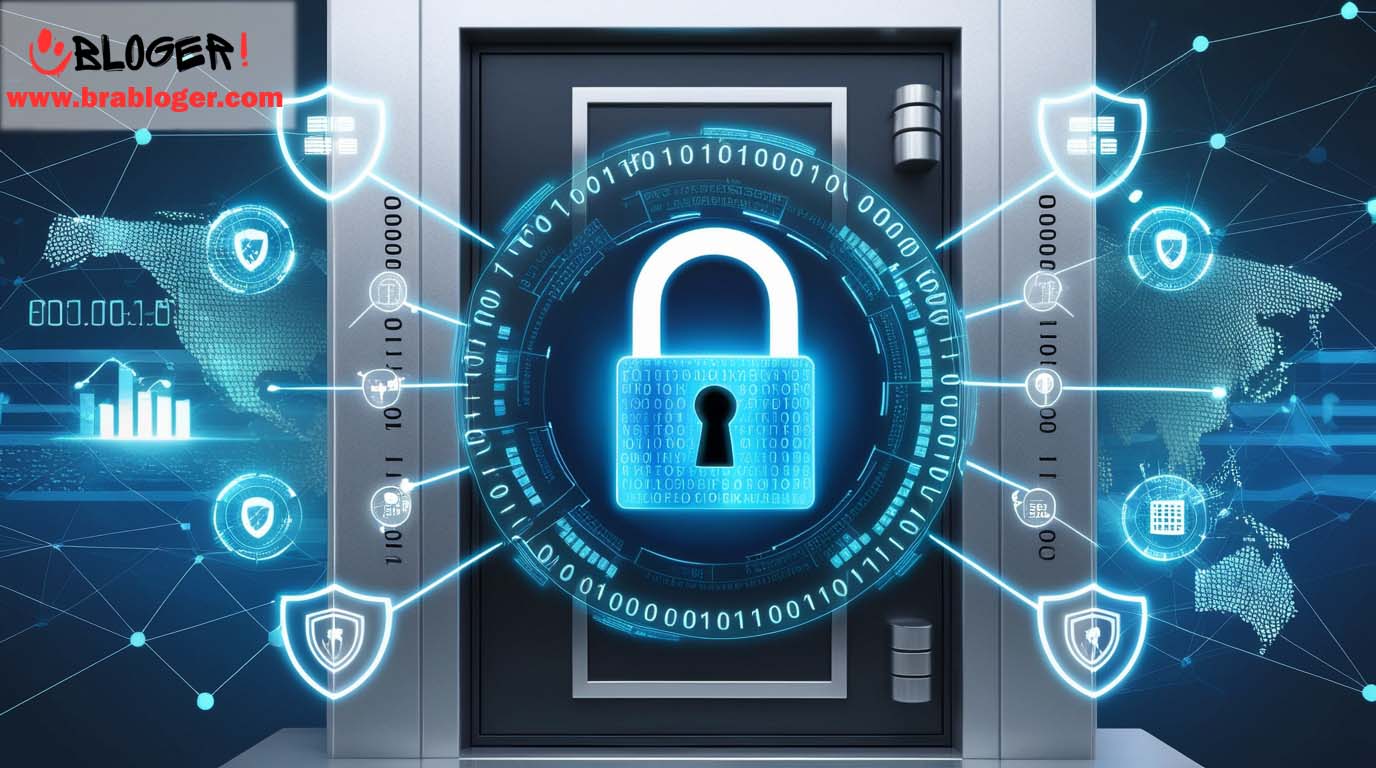
The growing digital transformation of the banking industry has redefined the delivery of financial services, making them more convenient and efficient. Yet, this evolution has also created a set of daunting cybersecurity challenges since banks are prime targets for cybercriminals looking to access sensitive data and financial assets. Cybersecurity has become an essential priority in banking to maintain customer trust, safeguard financial systems, and meet regulatory requirements.
Importance of Cybersecurity in Banking
Banks hold sensitive information, both personal and financial, in their hands. Your cybersecurity breach can result in:
Financial Loss: Cyber attacks can lead to both the theft of money and indirect costs in the form of downtime and recovery.
Reputation Damage: A single incident can undermine customer confidence and damage a bank’s reputation.
2️⃣ Regulatory Backlash: Failure to comply with cybersecurity regulations can lead to steep penalties.
Operational Impairment: Cyber incidences like a ransomware can stop your business critical functions.
Here are some common Cybersecurity Threats in Banking
Phishing Attacks
Cybercriminals use deceptive emails or messages to entice employees or customers into revealing sensitive information or credentials.
Ransomware
Malicious software scrambles up a bank’s data and demands ransom to undo that, hampering operations.
Malware
Malware compromises banking systems to exfiltrate data, observe behavior, or destroy infrastructure.
DDoS (Distributed Denial of Service) Attacks
Cybercriminals flood a bank’s servers with too many requests at once, bringing the system down.
MitM (Man-in-the-Middle) Attacks
Attackers eavesdrop on the conversations between a user and the banking platform to steal sensitive information.
Social Engineering
Cybercriminals trick employees or customers to reveal a sensitive information or give system access.
Insider Threats
Employees with knowledge of sensitive information about a business are a risk if they abuse their power, current or Silverlight.
Essential Approaches to Cybersecurity in the Banking Sector
Advanced Encryption
Encryption on everything from data in transit to data at rest keeps sensitive data unreadable to users without proper access.
MFA (Multi-Factor Authentication)
Multi-factor authentication (MFA) is a security measure that adds an extra level of protection for users by mandating that they authenticate themselves in two or more ways, including passwords, finger prints, or one-time codes.
Endpoint Security
Securing devices that connect to banking networks protects against malware and other attacks.
Continuous Monitoring and Threat Detection
AI-driven monitoring solutions can identify and respond to specific cyber threats in real time.
Periodic Security Audits and Penetration Testing

Testing systems regularly for vulnerabilities helps to open security holes to be patched before attackers get a chance to exploit them.
Training and Awareness of Employees
Training employees on cybersecurity threats, and best practices minimize the risks of social engineering and phishing attacks.
Customer Education
This knowledge empowers customers to identify scams, protect their personal information, and leverage secure banking channels.
Zero Trust Architecture
A “trust no one” approach makes certain that all users and devices are verified at all times, even when they are within the network.
Cloud Security
Cloud security is critical as organizations use more cloud-based services by using this method to protect their cloud-based infrastructure and data storage.
Regulatory Compliance
Compliance with standards such as PCI DSS, GDPR, and various local regulations help banks build strong cybersecurity frameworks.
Conclusion Cybersecurity Technologies in Banking
You have knowledge of the world up until October 2023.
These tools track usage patterns and spot anomalies in real time, facilitating proactive threat mitigation.
Blockchain Technology
Blockchain's distributed ledger promotes financial transaction data integrity and security.
Biometric Authentication
Biometric methods (fingerprint, facial recognition, and voice) add layers of protection.
Behavioral Analytics
Analyzing user behavior can also be used to detect and monitor suspicious activity.
[SIEM] Security Information and Event Management
SIEM Tools SIEM( Security Information and Event Management) tools aggregate and analyze security data to give you a thorough intelligence on any potential threat.
Why Regulations Matter in Cyber Security
Banks are bound by strict standards that require implementation of secure cyber measures, enforced by governments and regulatory bodies. Key regulations include:
General Data Protection Regulation (GDPR): Safeguards customer data for users in the European Union.
Payment Card Industry Data Security Standard (PCI DSS): Oversee the security of card transactions.
Bank Secrecy Act (BSA): Concerned with anti-money laundering (AML) activities.
Cybersecurity Information Sharing Act (CISA)
Non compliance to these regulations can lead to government sanctions and loss of customer trust.
The #1 Hurdle in Banking Cybersecurity
Evolving Threat Landscape
Cybercriminals are constantly adjusting their methods of attack, making it difficult to get ahead of threats for banks.
Legacy Systems
Numerous banks still use legacy systems that are susceptible to current day cyber threats.
Budget Constraints
Larger, better-resourced institutions are wading into state-of-the-art cybersecurity waters, while smaller banks find it harder to keep pace.
Third-Party Risks
Banks have a growing reliance on third-party vendors which, when not properly managed, can introduce vulnerabilities into the bank’s environment.
Keeping User Experience While Maintaining Security
Finding the right balance between strong security and customer experience is a perpetual challenge.
Banking Cybersecurity Case Studies of High-Profile Breaches
JP Morgan Chase (2014)
That came after one of the largest data breaches in history exposed the personal data of 76 million households and 7 million small businesses. It underscored the necessity of strong network security.
Bangladesh Bank Heist (2016)
In a similar vein, $81 million was taken in fraudulent SWIFT transactions using malware, exposing weaknesses in international banking networks.
Capital One (2019)
Hackers breached a poorly configured firewall exposing the personal information of 100 million customers highlighting the importance of securing the cloud.
Emerging Trends in Cybersecurity for Banking
[Quantum Computing Threats and Defense]
The evolution of quantum computing means that banks must create quantum-resistant cryptography to protect sensitive data.
Solutions for Decentralized Identity
Identity systems on the blockchain could be more secure and controlled by the user.
Automated Incident Response
AI-powered automation will automate the identification and management of cyberattacks.
Increased Collaboration
Banks will work more closely with governments, regulators, and cybersecurity firms to share threat intelligence and best practices.
Focus on Cyber Resilience

All above and including prevention, stronger recovery and continuity plans will be high priorities within banks to mitigate the impacts of a successful attack.
Information security in banking is no longer an IT issue — it’s a business imperative. As their services convert into digital formats, banks need to invest more in security and privacy to ensure customer trust, financial assets as well as operational integrity.
(adsbygoogle = window.adsbygoogle || []).push({}); By implementing proactive measures to stay one step ahead of threats, leveraging innovative technologies, and cultivating a culture of security awareness, banks can ensure that they remain strong and prepared to face the challenges posed by an ever-evolving cyber landscape. The future will require diligence, creativity, and partnerships, but the benefits—customer confidence and a secure financial environment—justify the investment.




 Digital Marketing and Online Business
 Education and Learning
 Gaming
 Blockchain and Cryptocurrency
 Climate and Environmental
 Finance and Investing
 Health and Wellness
 Technology and Artificial Intelligence
 Food and Cooking
 Fashion and Beauty
 Sports and Fitness
 Personal Development and Self-Improvement
 Parenting and Family Life
 Pet Care and Animal Welfare
 Bilar och motorcyklar